18%
more baskets created across the network
72%
conversion on those baskets
The context
Too many Hives went several days without an open sale. The Hive and the platform lost revenue. Some Members dropped off too, new ones especially, who found the Hive closed just when they wanted to buy.
With the data, I measured the problem first. On average, 32 hours went by between two sales. That’s 42 closed days per Hive per year. One Hive in four let more than a day slip.
My role
I scoped and ran a four-week study with a data analyst. I ran five interviews with Hive Hosts of all kinds, and watched one of them prepare a sale. A survey then collected 123 answers.
Launching a sale takes time, in small repetitive actions. Hosts don’t know which producers will be available. And 40% of them don’t see what a closed sale costs Members.
I shared these findings with every team before deciding anything.
The key decision
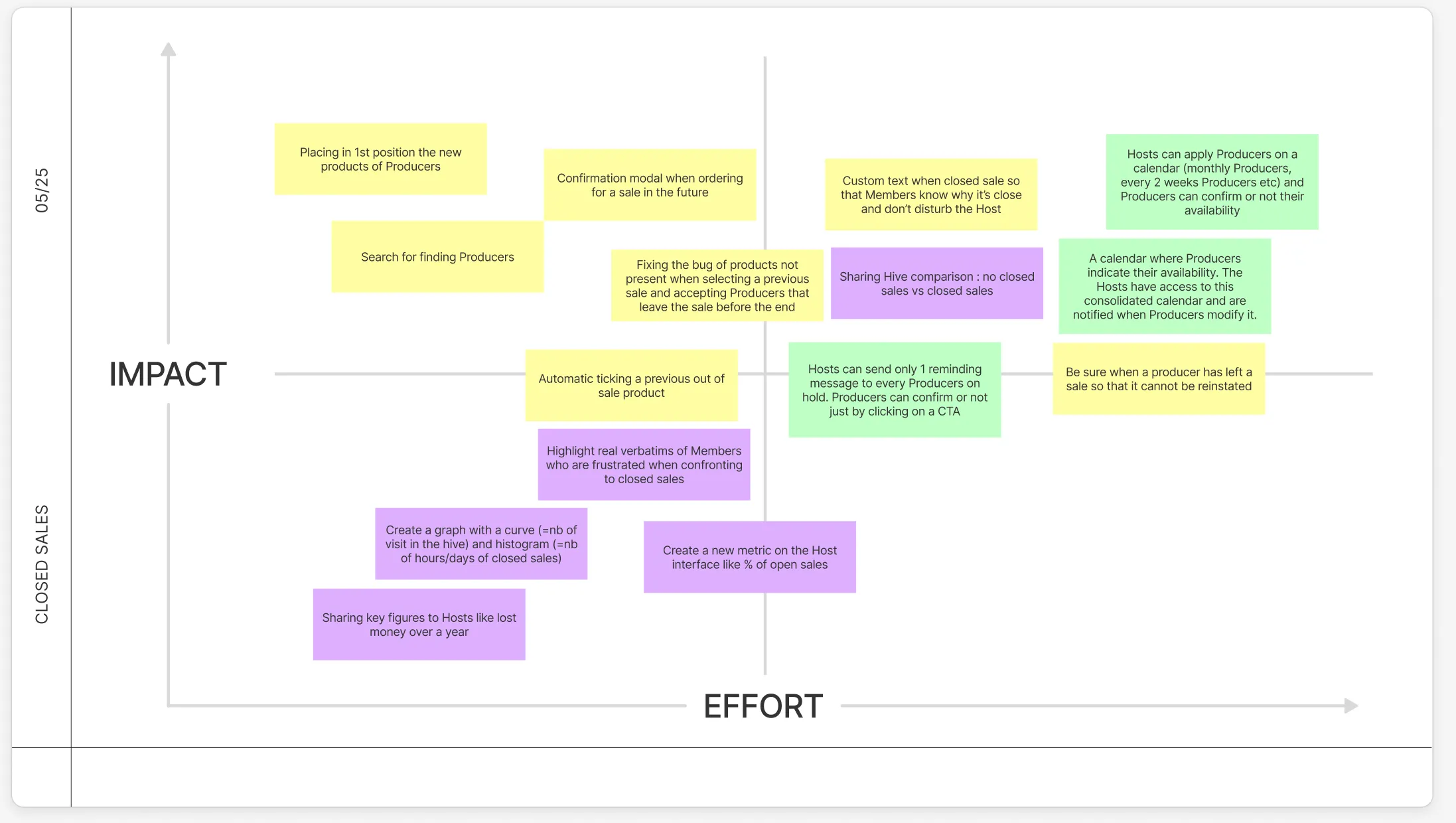
Each idea went on an effort / impact matrix, and we started with the cheapest ones.
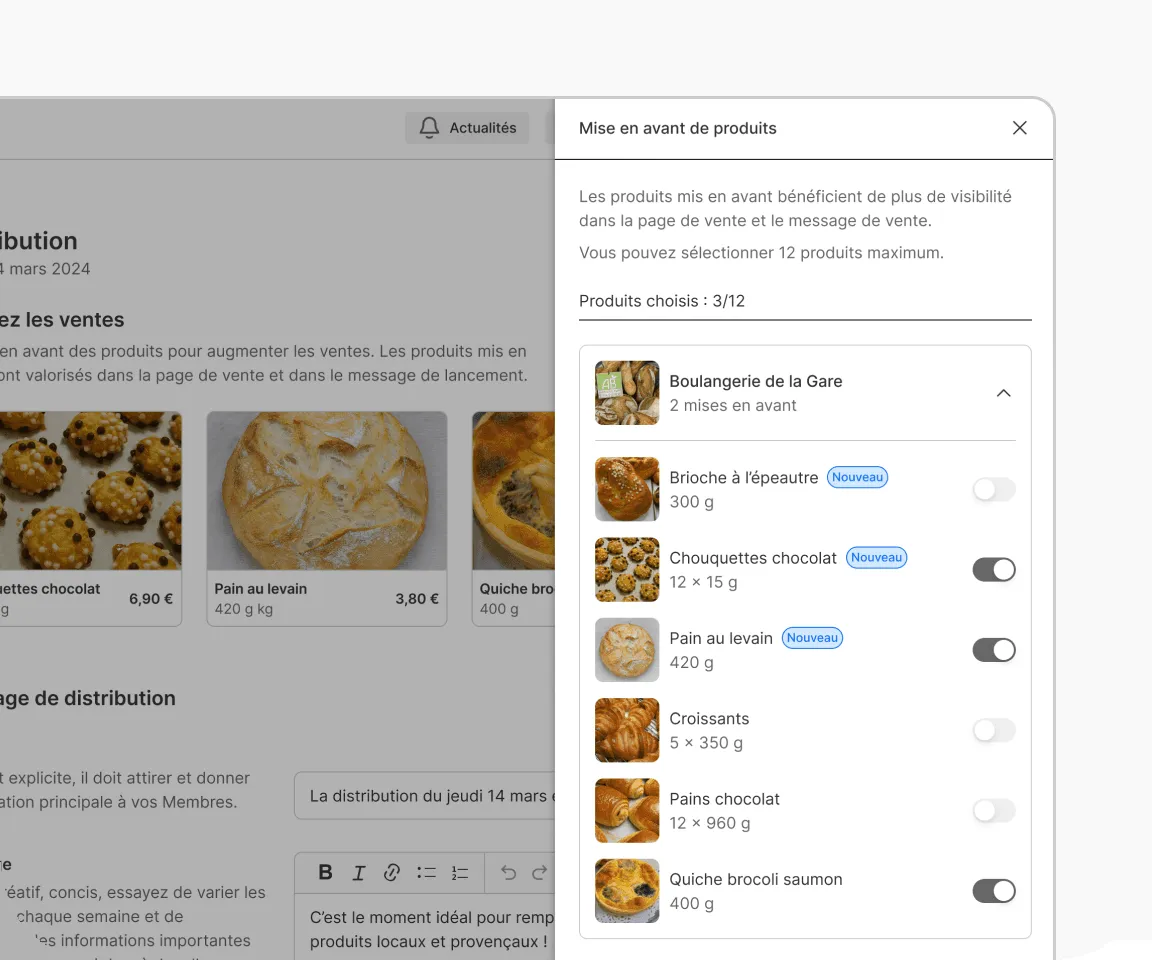
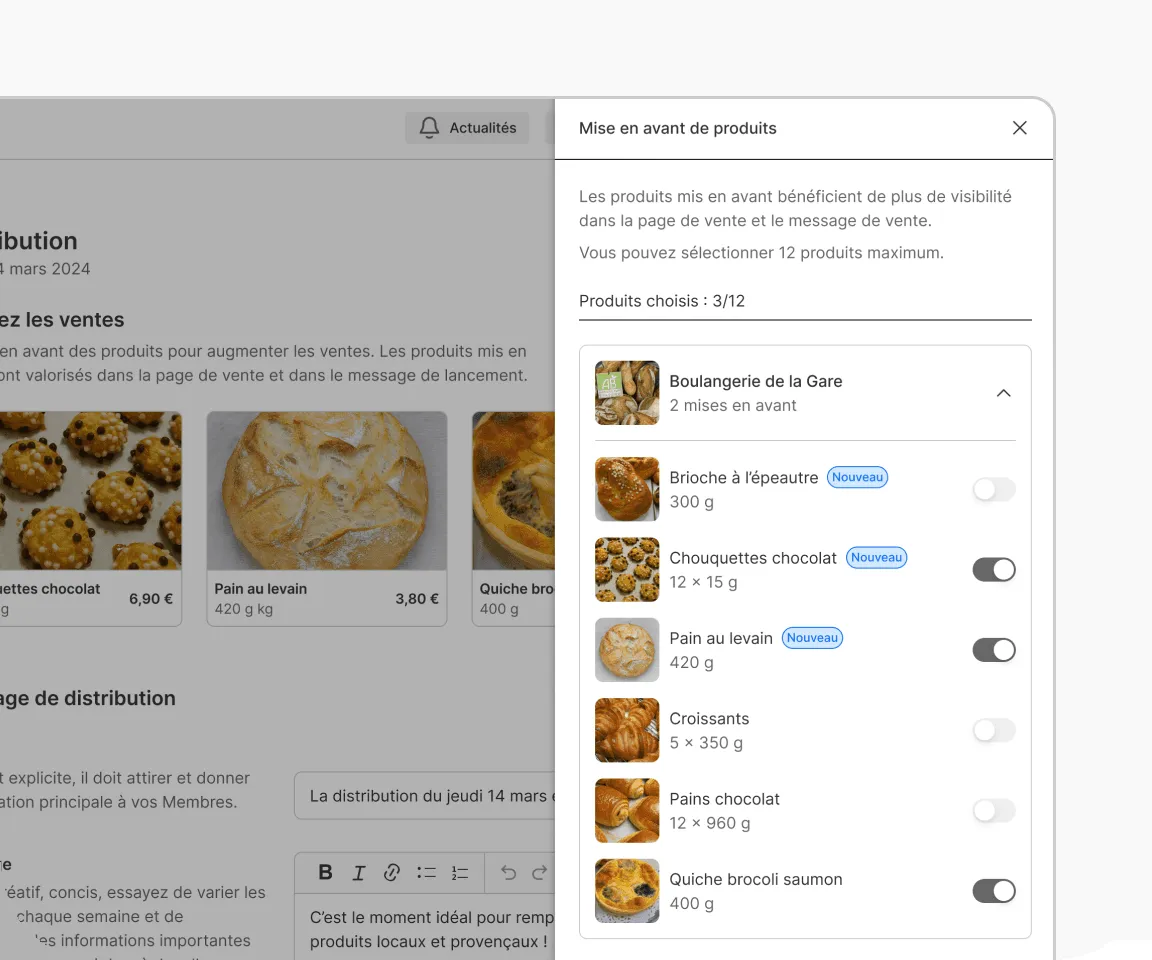
Launching a sale got lighter. The platform suggests products to feature and offers message templates. Producer availability shows up in a calendar. The Statistics view now shows the revenue lost, and a new open-sales rate.
What it changed
Baskets created went up 18% across the network, with 72% conversion on those baskets. No redesign, just targeted changes.